

Protecting and regenerating Red Sea corals


Services
View Services
Integrated capabilities driving excellence across every destination
Subsidiaries
View Subsidiaries
Powering the Kingdom’s new destinations and beyond
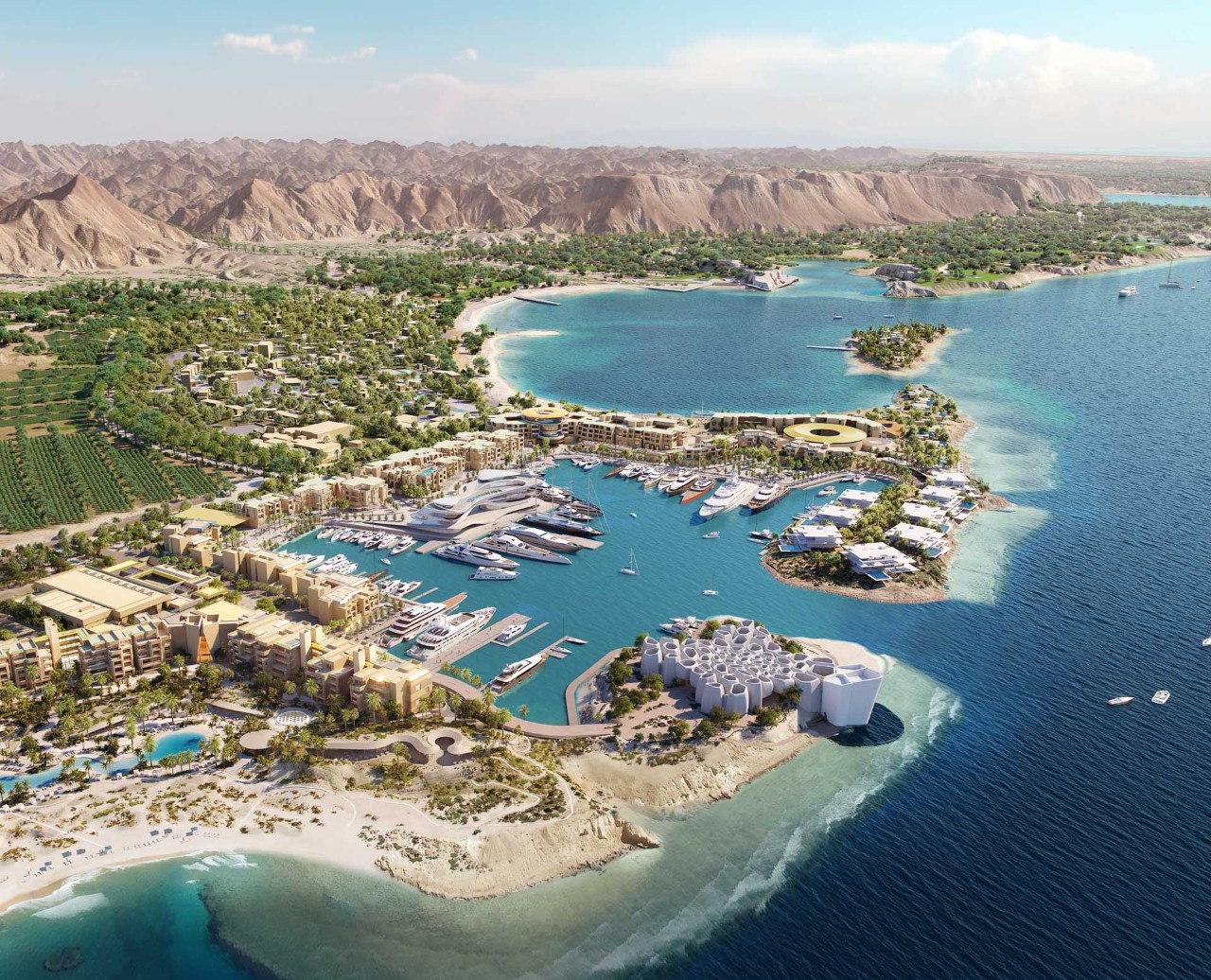
The Red Sea
View Destination
The world’s most ambitious regenerative tourism destination
AMAALA
View Destination
A Coastal Sanctuary of Splendor
Responsible Development
View Responsible Development
Creating opportunities for people and protecting nature as we build a thriving, sustainable economy.
Training & Education
View Training & Education
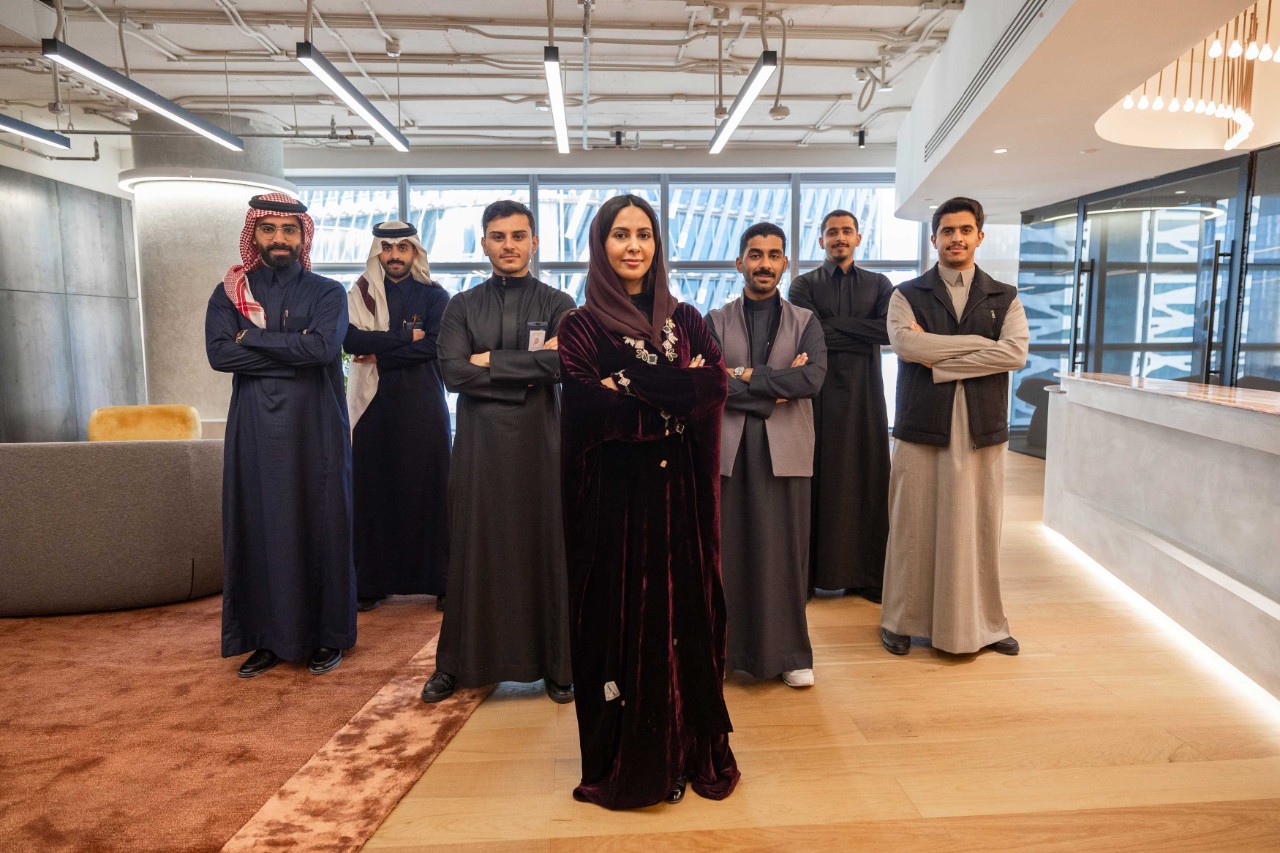
Over a Thousand Talents Transforming the Future of Saudi Arabia’s Tourism
Red Sea Global media center provides the latest news, updates and industry insights from The Red Sea.
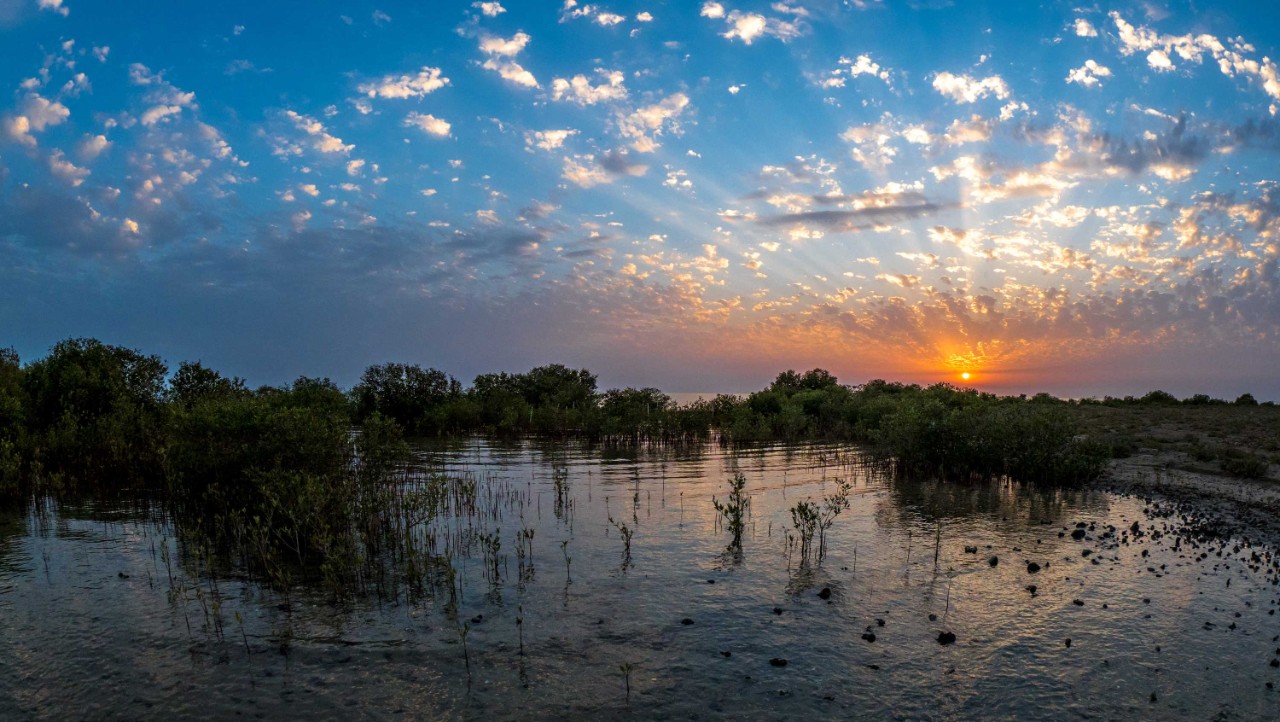
Our Coral Commitment
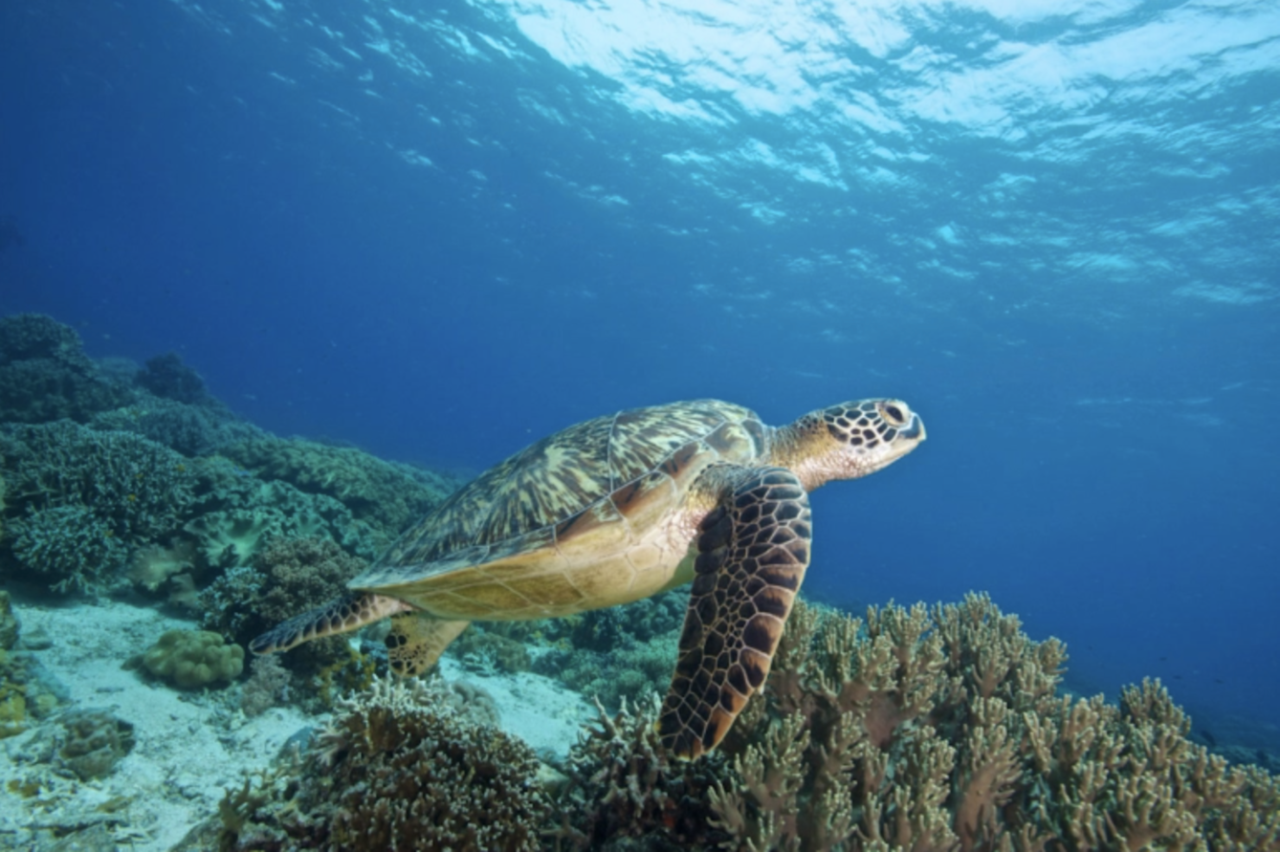
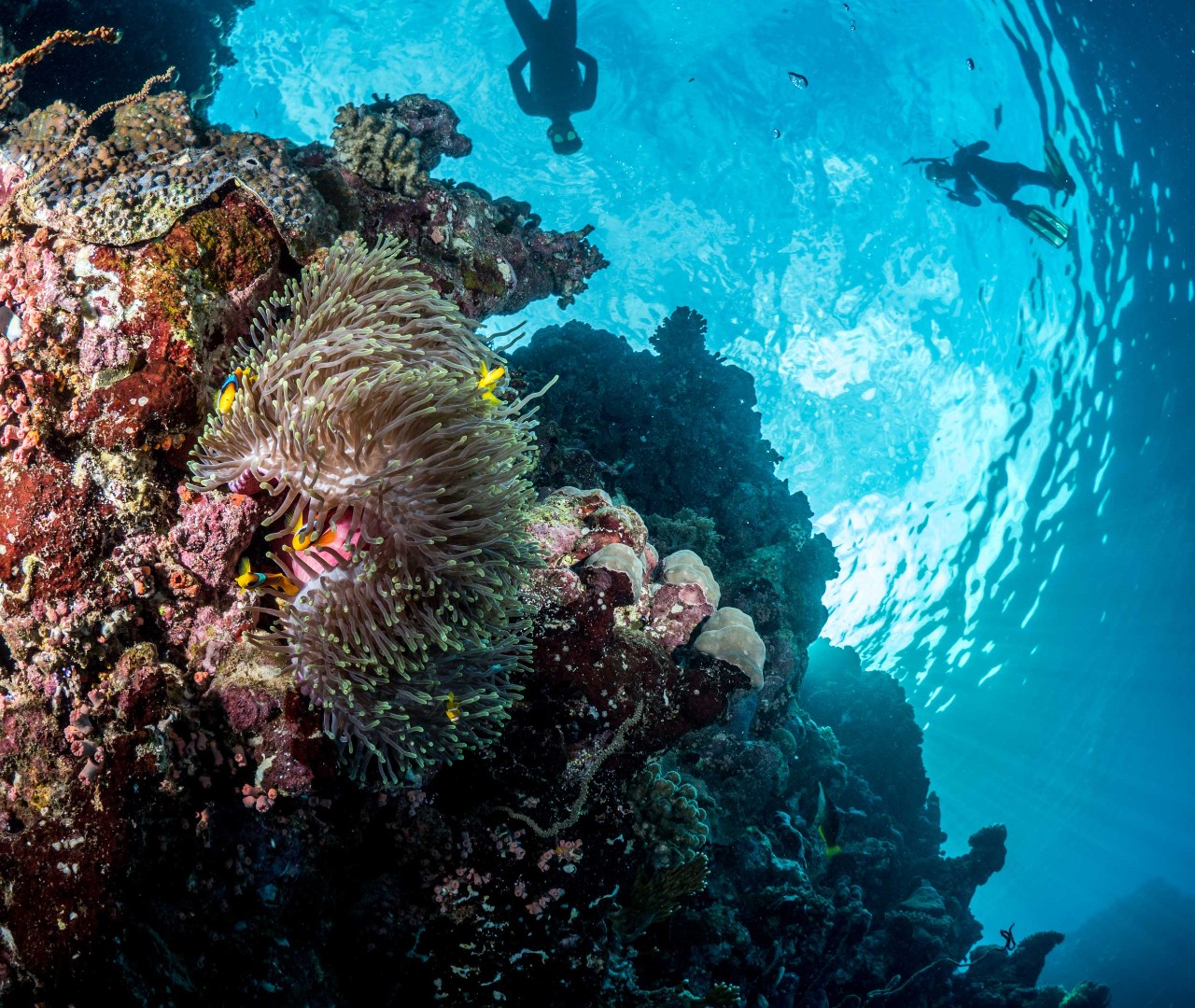
a fascinating underwater ecosystem
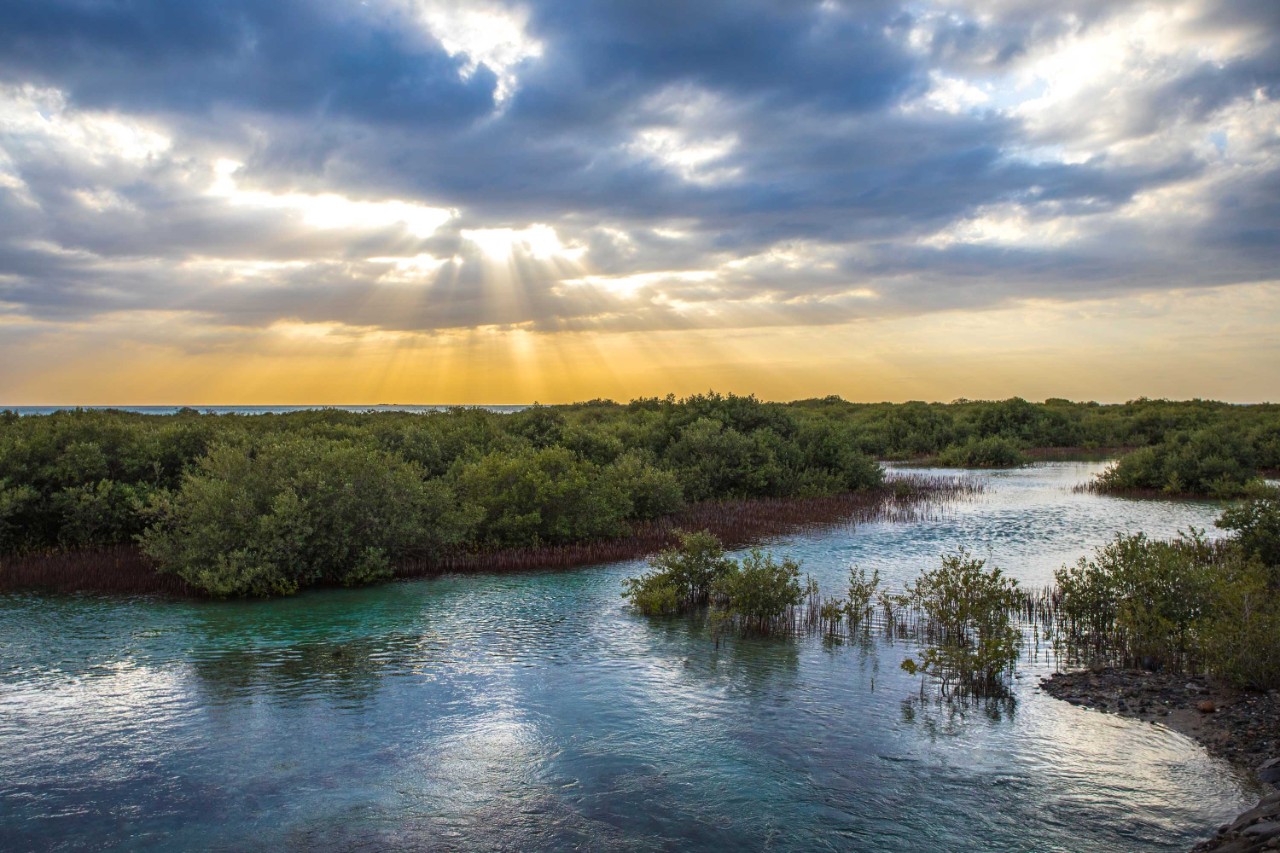
Red Sea corals act as a buffer against climate change
Northern Red Sea corals possess a remarkable trait: they are more heat tolerant than corals across most of the world.
'Super corals' in the northern Red Sea could be key to understanding and potentially restoring coral reefs globally, which are increasingly threatened by marine heatwaves.
Research from King Abdullah University of Science and Technology (KAUST) reveals that these corals have not experienced significant bleaching mortality despite high temperatures.
Supporting a city beneath the sea
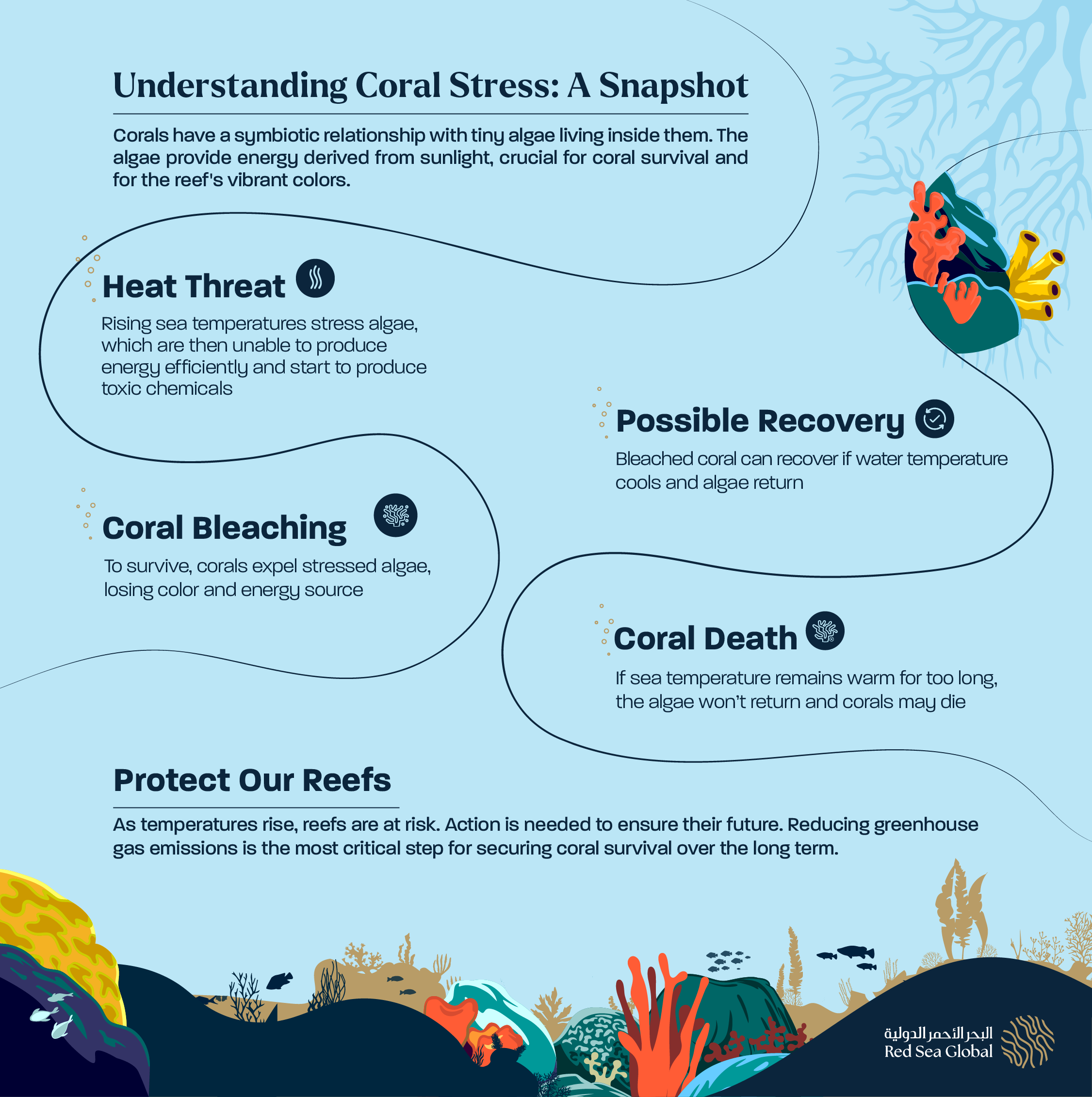
Understanding coral stress: A snapshot
Corals have a symbiotic relationship with tiny algae living inside them. The algae provide energy derived from sunlight, crucial for coral survival and for the reef’s vibrant colors.
Heat Threat
Rising sea temperatures stress algae, which are then unable to produce toxic chemicals
Possible Recovery
Bleached coral can recover if water temperature cools and algae return
Coral Bleaching
To survive, corals expel stressed algae, losing color and energy source
Coral Death
If sea temperature remains warm for too long, the algae may not return and corals will die
Partnering with CORDAP: A pledge that extends beyond the vibrant waters
Restoration and Regeneration
Red Sea Global is taking a definitive stand for marine conservation with our Coral Commitment. In partnership with the Coral Research & Development Accelerator Platform (CORDAP), we are embarking on a multifaceted program to both protect and regenerate these precious underwater habitats.
This commitment is showcased through the groundbreaking results of our Coral Gardening Pilot Program’s first phase and the strategic rebranding of the Marine Life Institute at AMAALA to Corallium.
Leading the way in coral protection
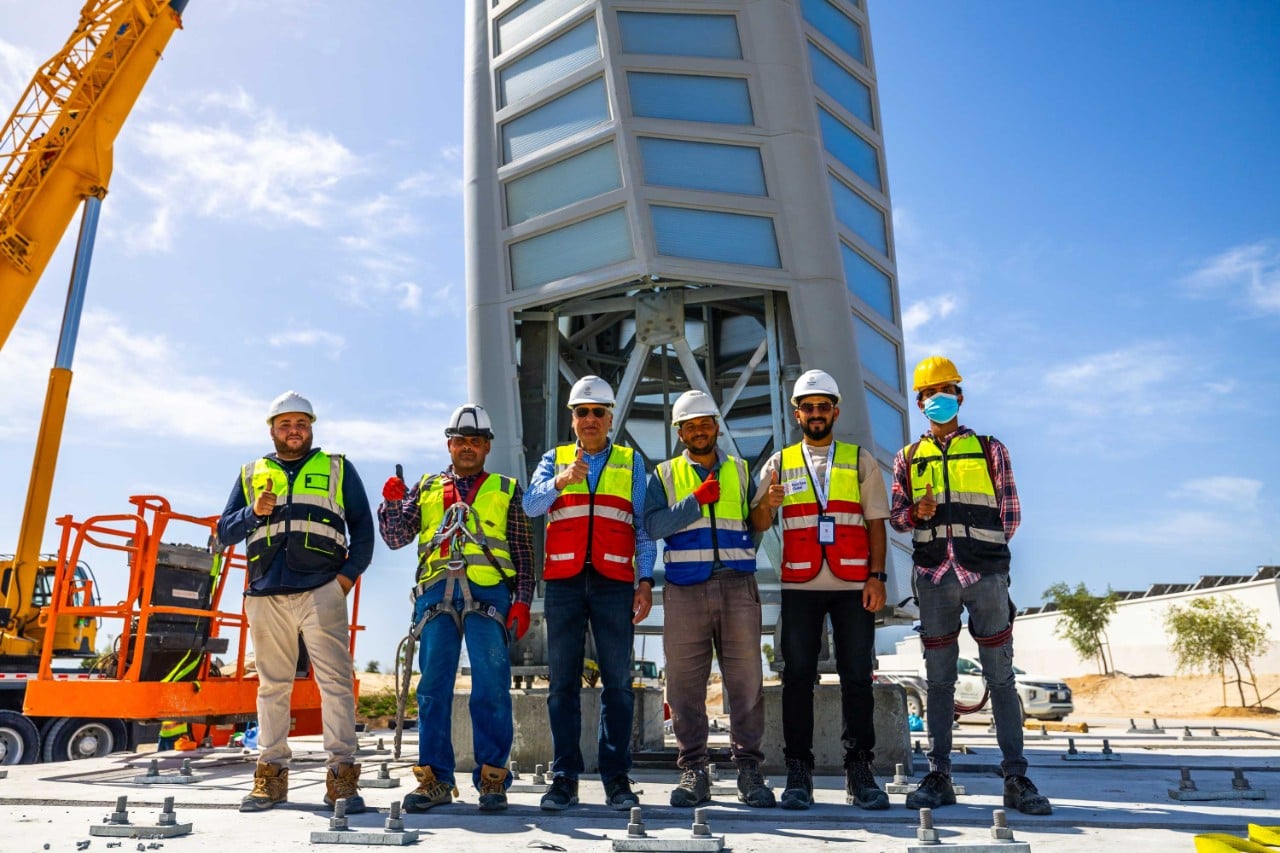
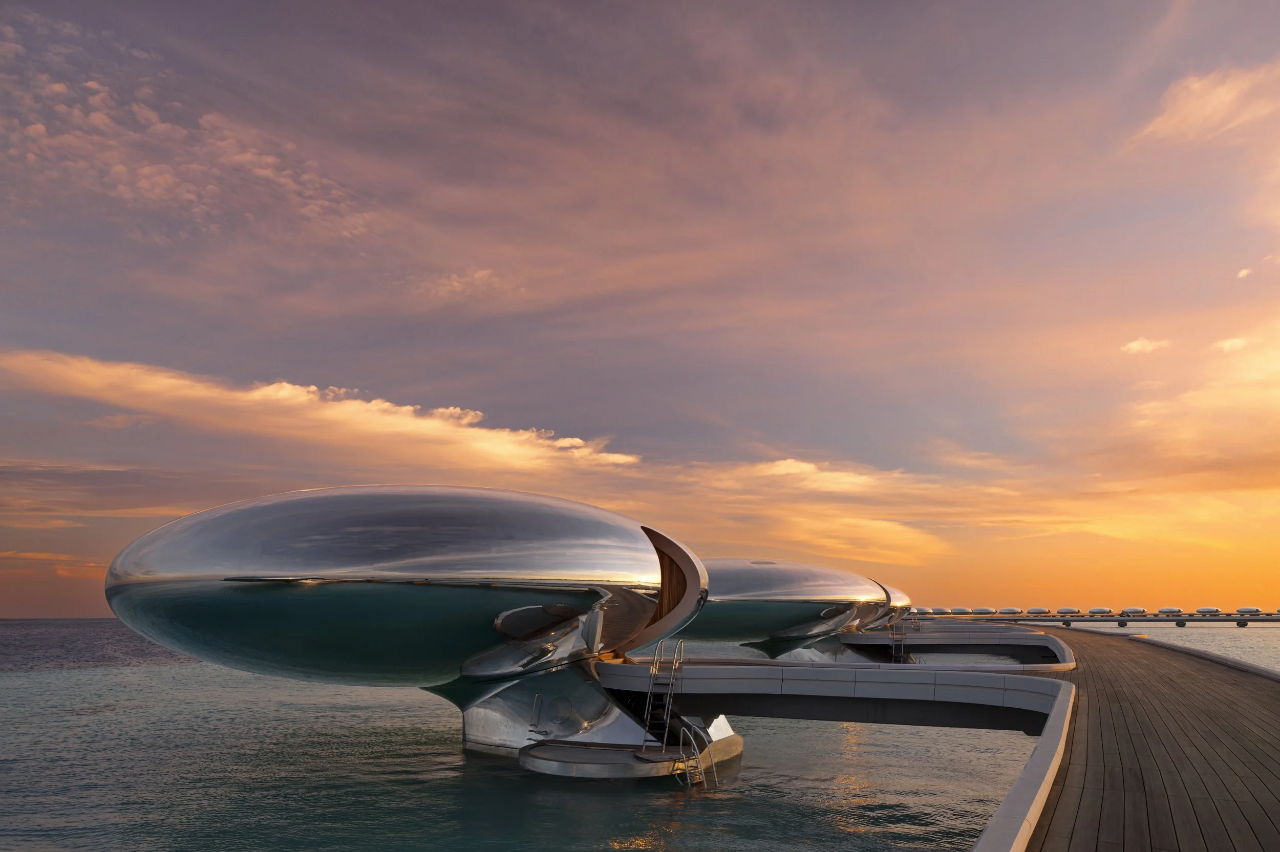
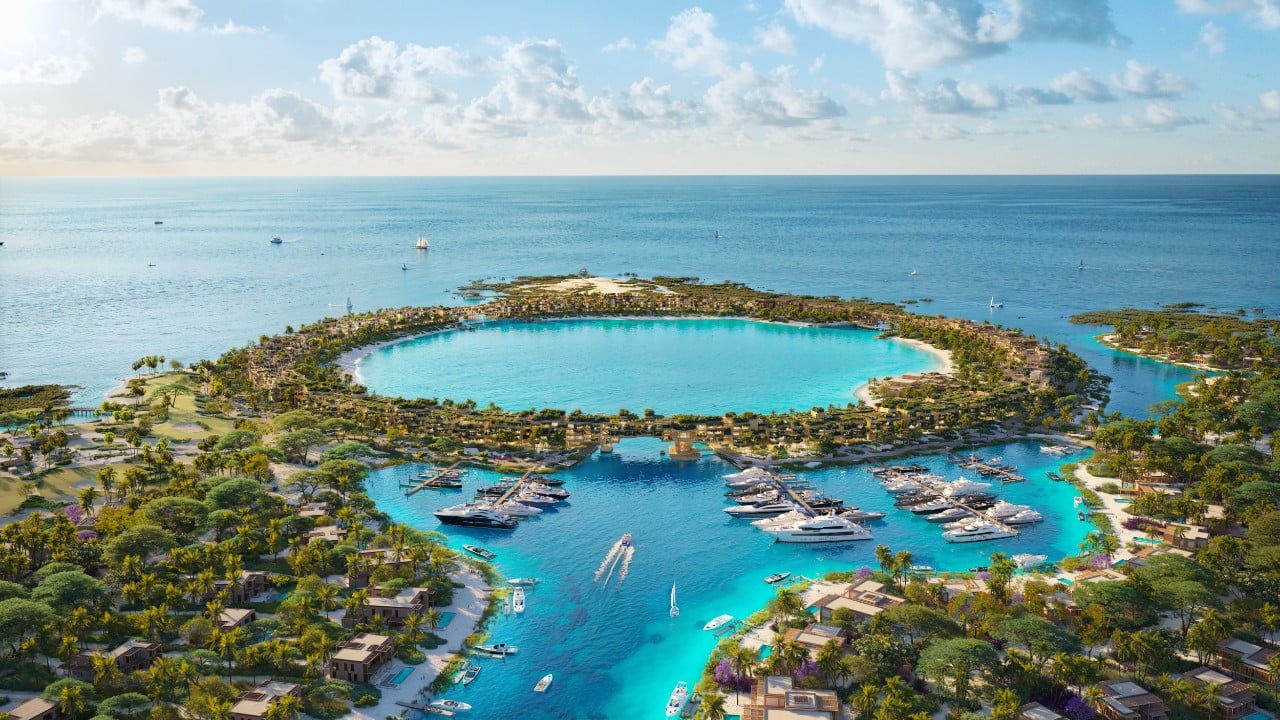
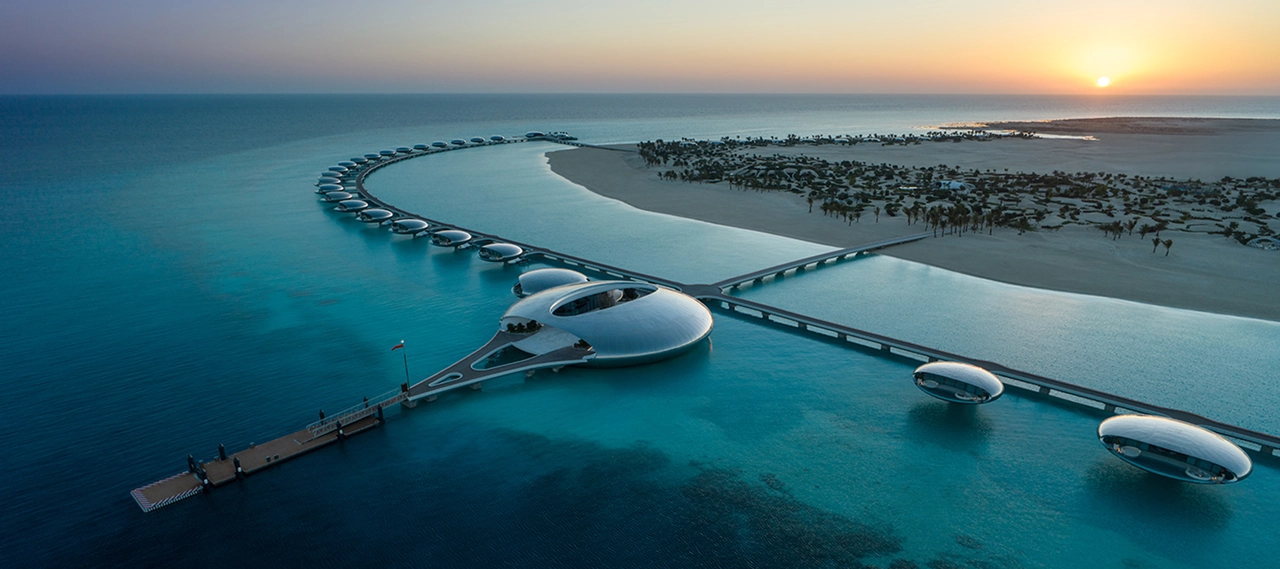
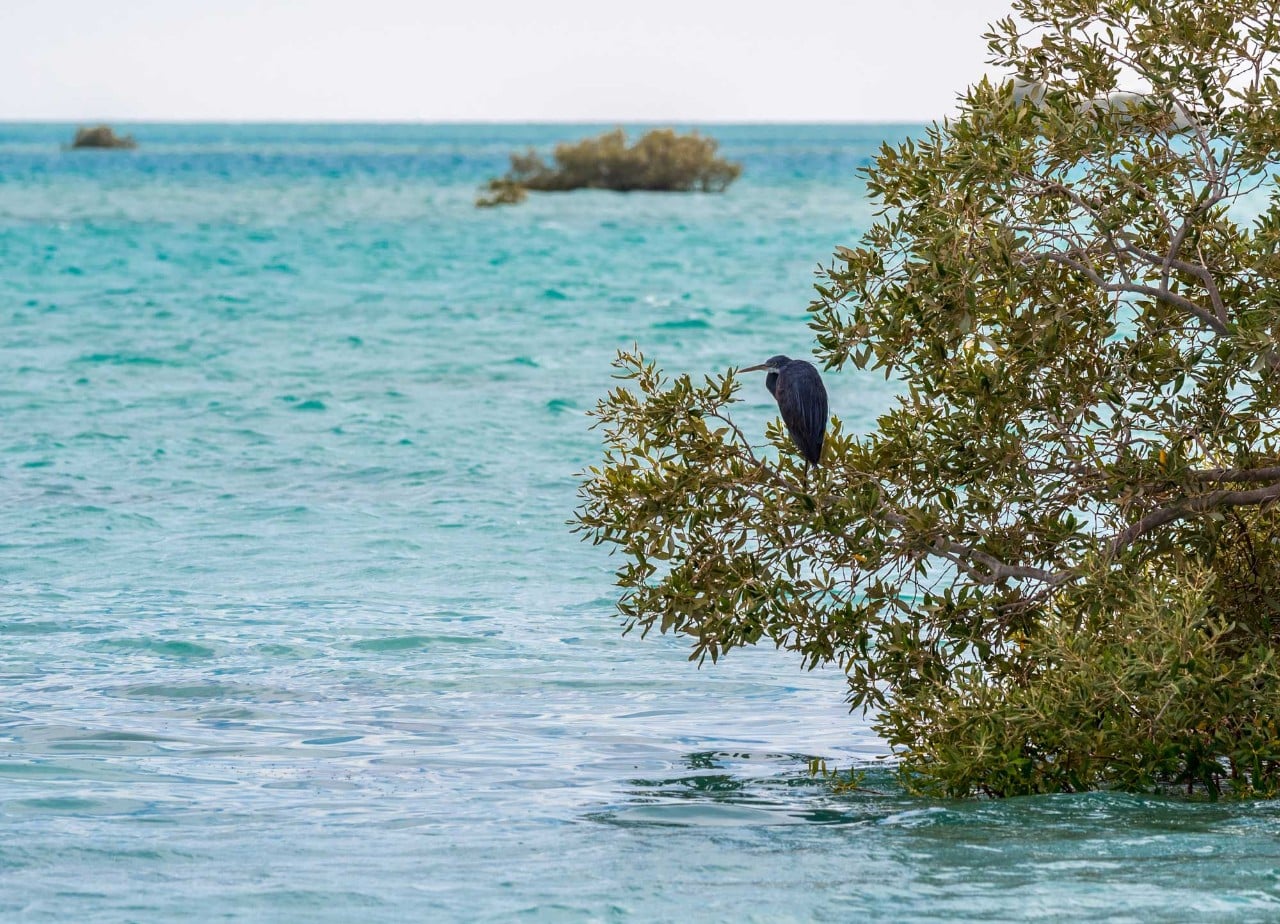
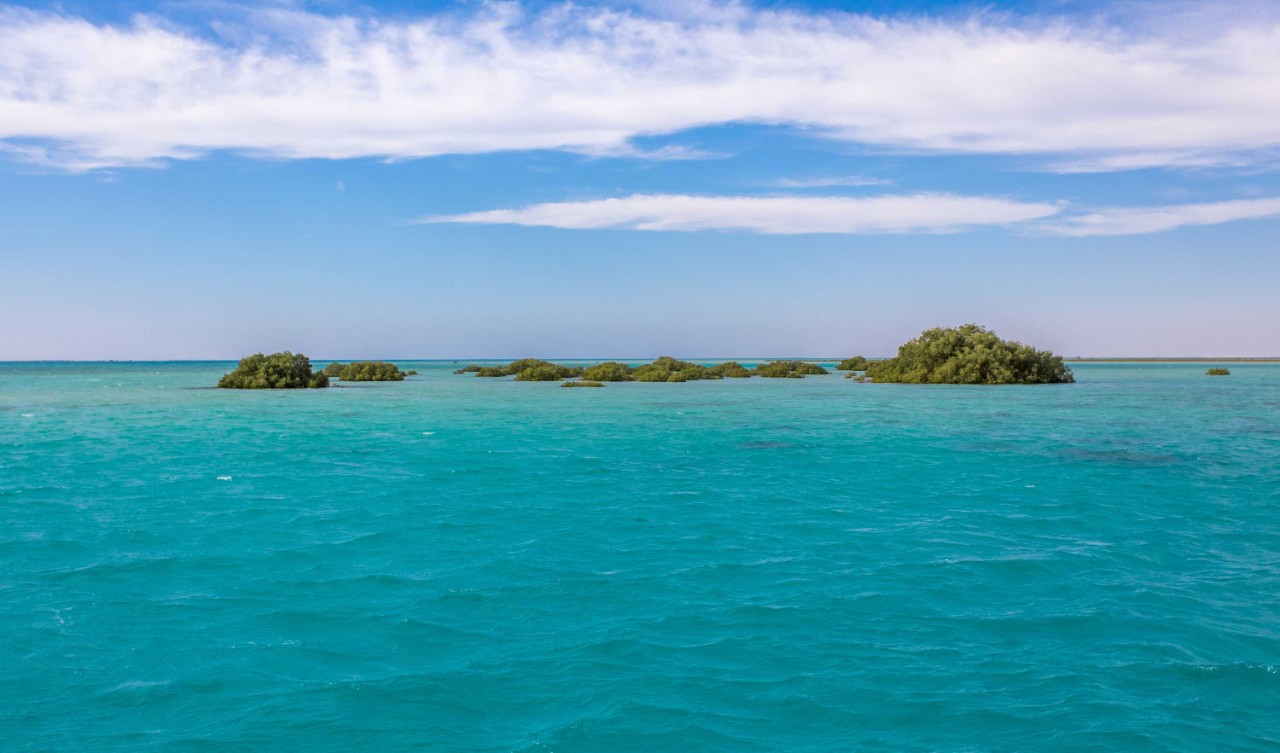
The 1.2km Shurayrah Bridge shows our conscientious approach to development at our destinations.
The crossing was crafted with a graceful curve, rather than a simple straight-line design, to minimize impact on coral formations.
Our role
Coral nurseries
Our floating nurseries offer a versatile solution to combat thermal stress, enabling shade provision, relocation, or deeper water submersion for corals.
These solutions, along with strategic colony placement, aim for natural reproduction and long-term ecosystem sustainability.
Coral breeding facility
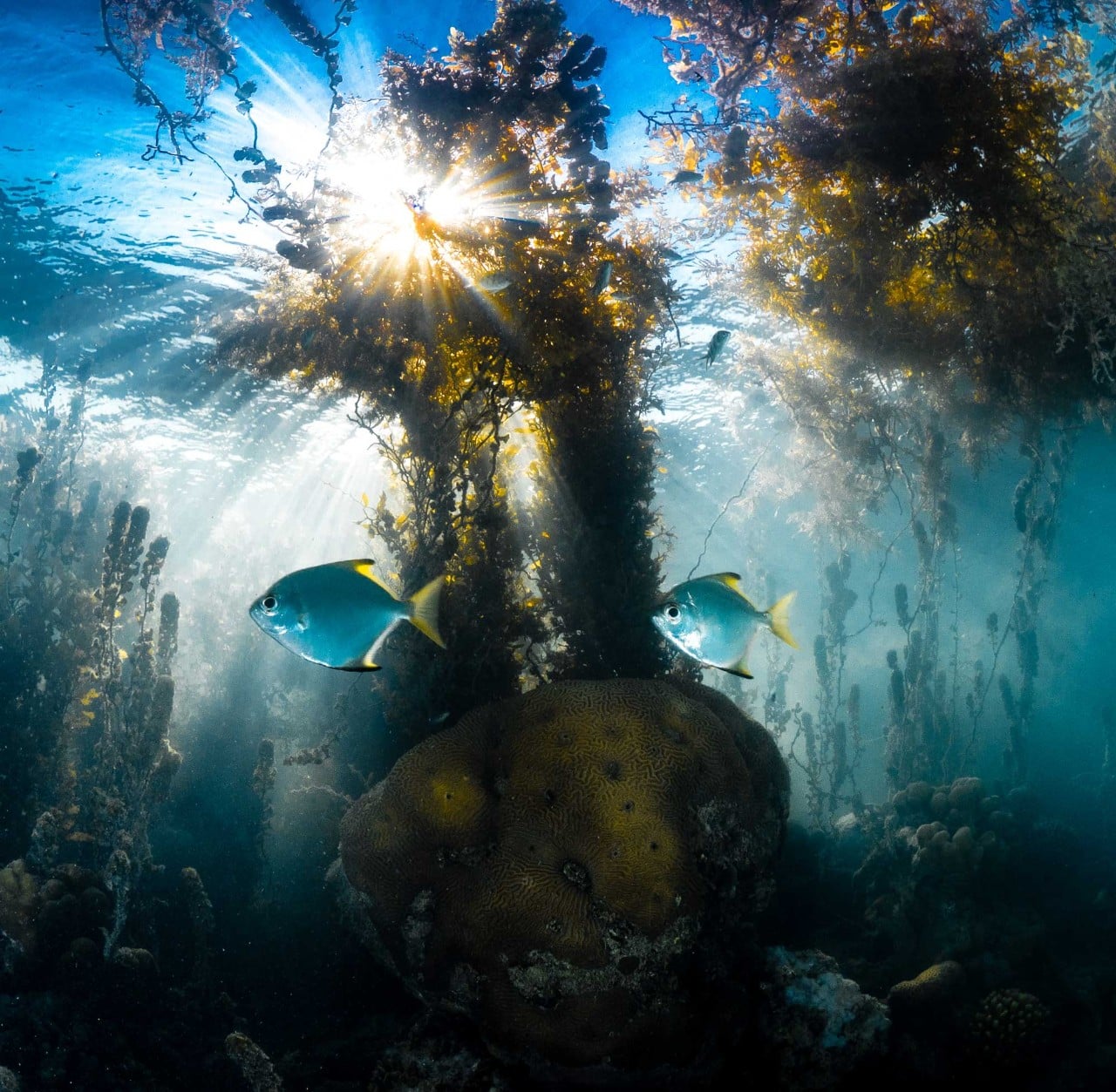
At the heart of our Marine Life Operations Center is a state-of-the-art coral breeding facility, which enables our scientists to produce juvenile corals year-round, far surpassing the breeding capacity of wild corals.
Marine mapping
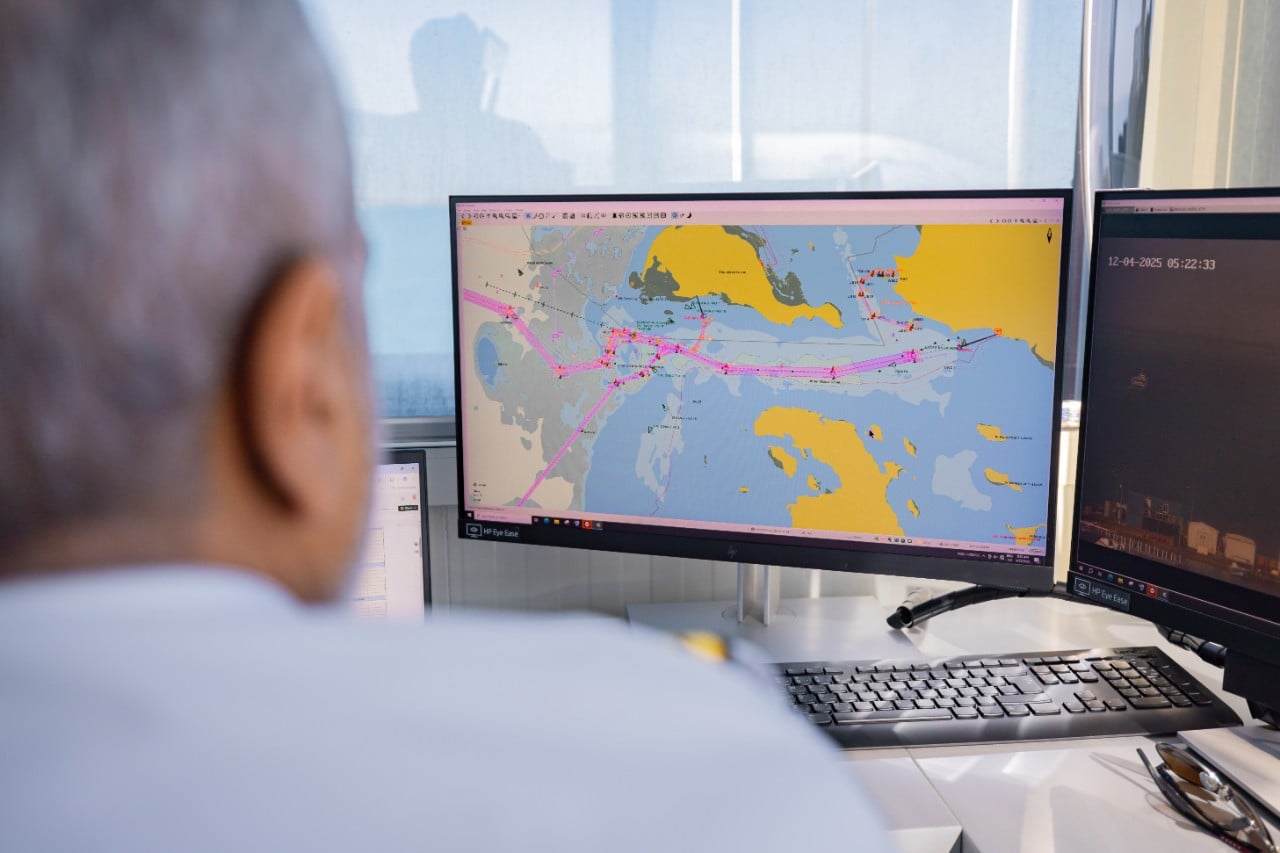
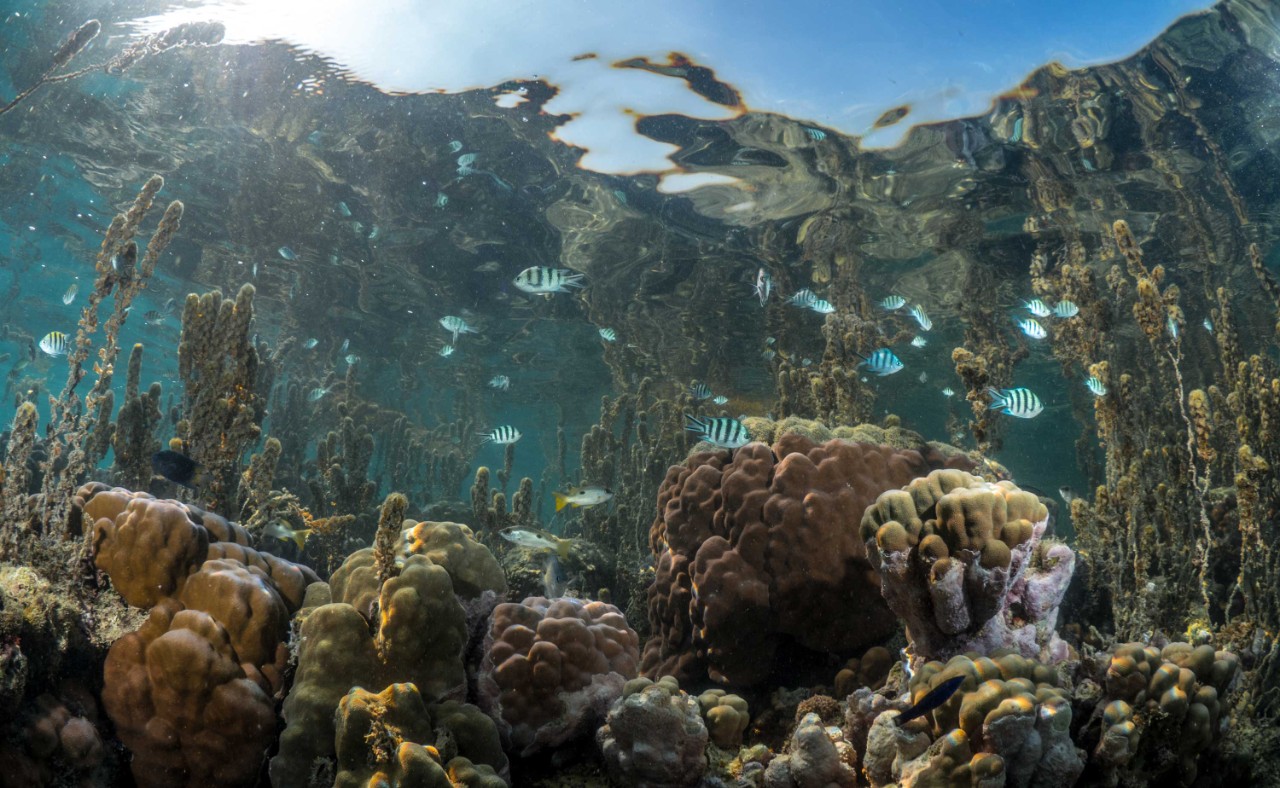
Our scientists employ 3D photogrammetry, robotics, and machine learning for effective coral monitoring and management.
Combined with KAUST's extensive research, this approach enables the effective establishment of coral populations in key areas, including tourist-accessible reefs near our resorts, blending luxury tourism with environmental stewardship.
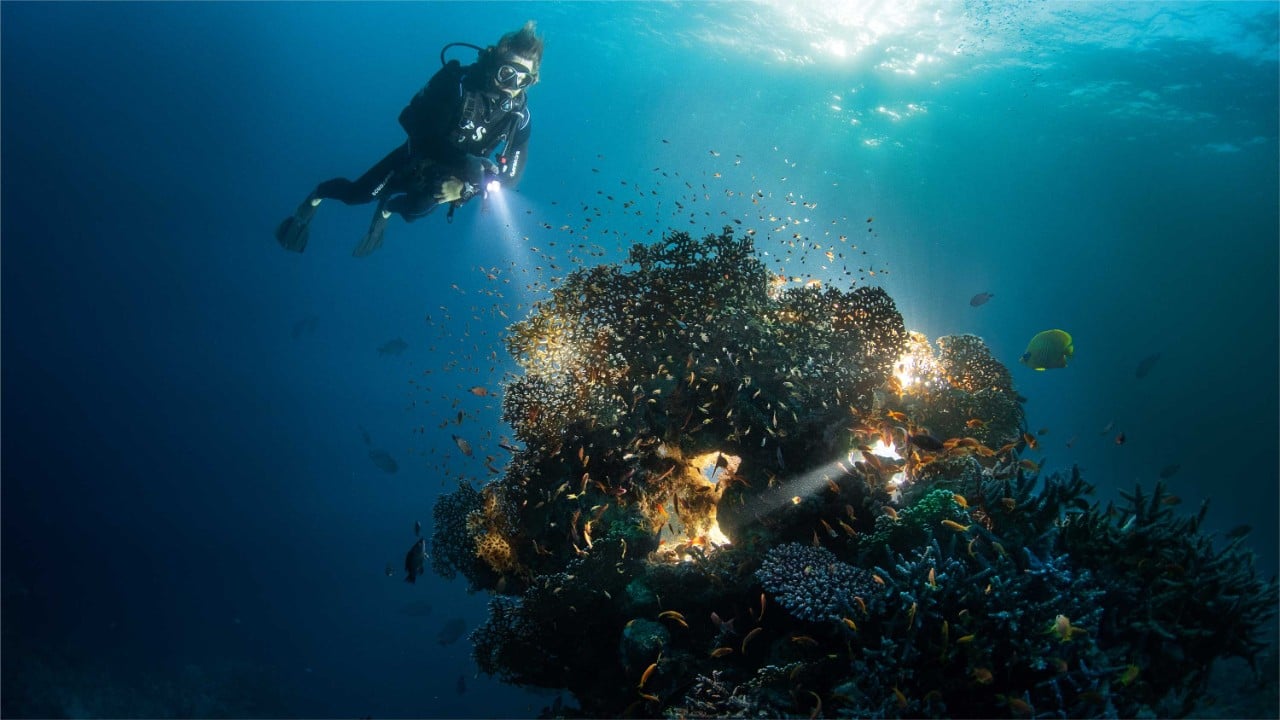
Coral gardening
Our scientists use the floating nurseries to mari-culture source material for our enhancement efforts.
Corals grow rapidly in this optimal environment, which are then harvested and outplanted at our enhancement sites.
In our pilot, we created over 2,500 coral fragments from this stock and achieved an impressive 97% survival rate of the outplanted corals.
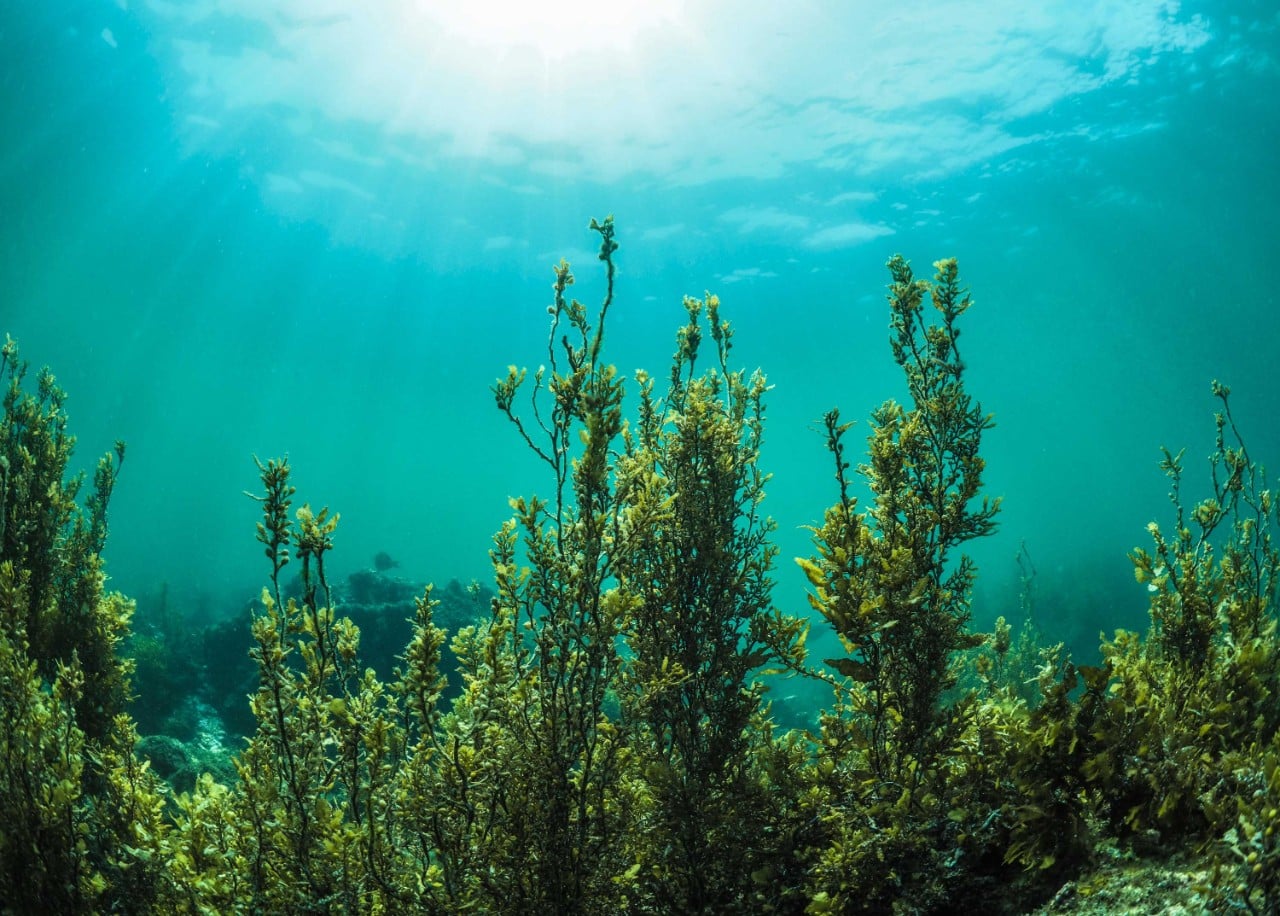
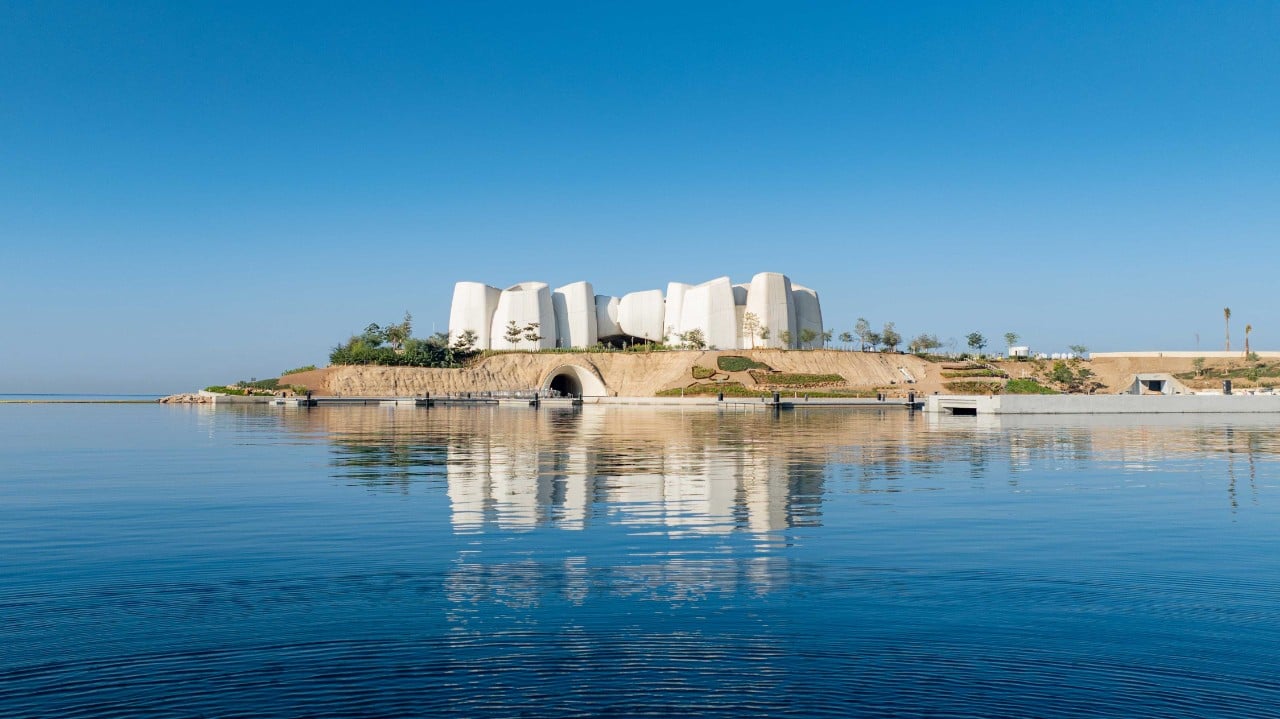
Corallium
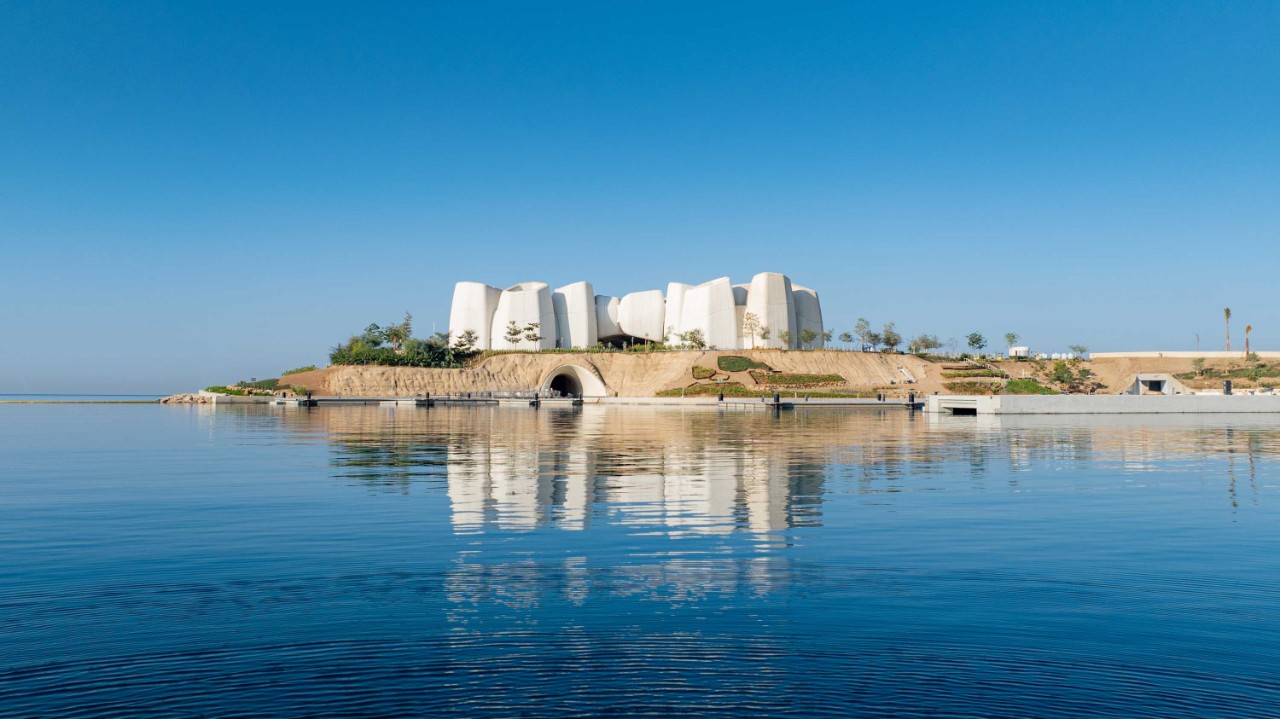
Corallium, a marine life institute opening in 2025 at AMAALA, focuses on research, rehabilitation, and education.
It features labs, rehab areas for various species, and programs for coral reef restoration.
The goal is to connect people with the Red Sea's marine life through immersive experiences.
Beneath the Surface: The Fight for Corals
Dive deep into hope with ‘Beneath the Surface: The Fight for Corals.’ This Red Sea Global and Warner Bros.
Discovery documentary, premiering on Earth Day, 22 April 2024, explores the beauty and resilience of Red Sea coral reefs and their potential to aid global coral restoration efforts.
Get in touch
To learn more about Red Sea Global, please get in touch.
News & Updates
Subscribe to get the latest news and updates right to your inbox.

Subscription confirmed!
We’ll keep you posted with our latest news and updates.

Something went wrong
Please try again in a moment.